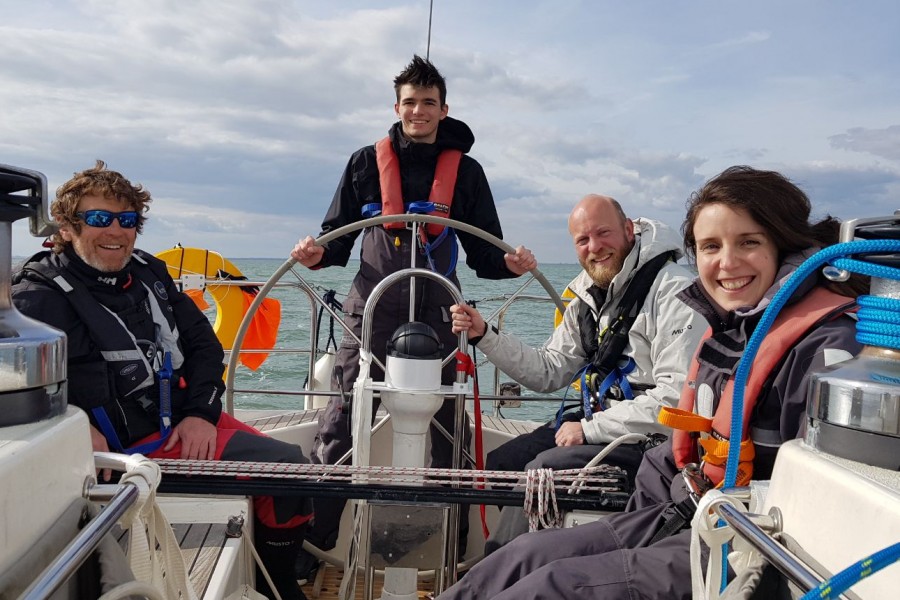
RYA Competent Crew - Learn to Sail in the Solent
The RYA Competent Crew course is the ideal starting point if you want to learn how to sail. Designed for complete beginners as well as those with dinghy experience, this hands-on sailing course introduces you to the fundamentals of crewing a yacht while exploring the stunning waters of the Solent and South Coast.
Why Choose the RYA Competent Crew Course?
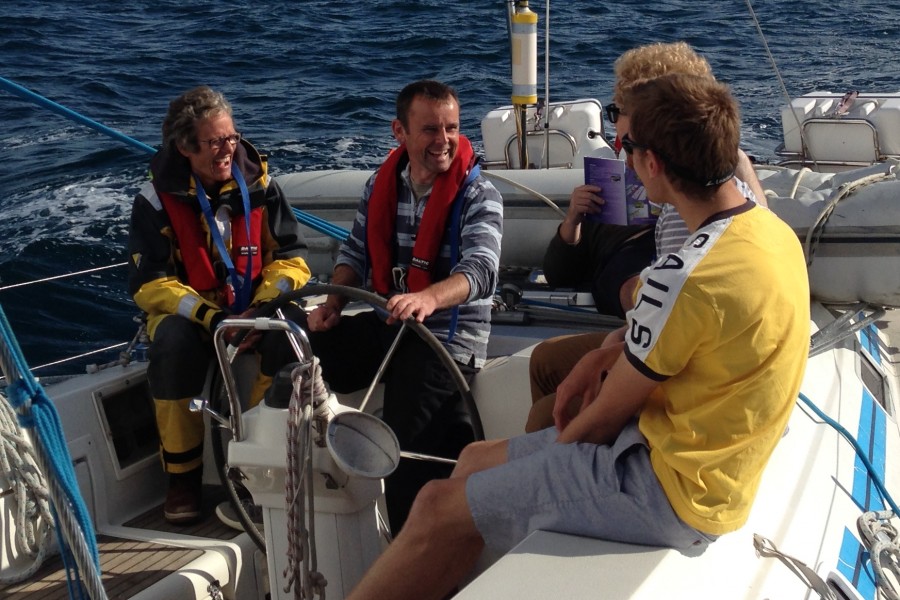
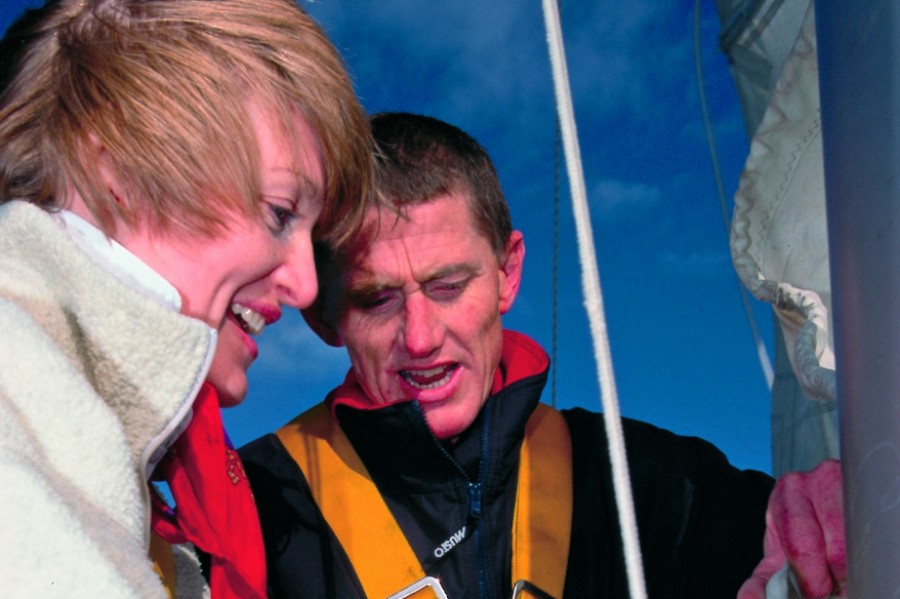
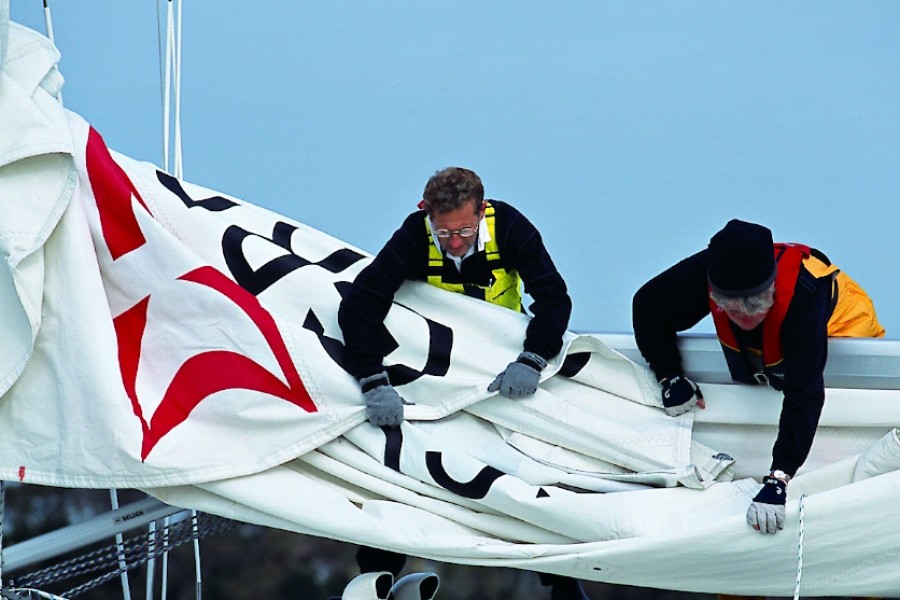
You’ll live aboard throughout, gaining real experience of sail cruising. Under the guidance of our qualified instructors you’ll learn essential skills such as steering, sail handling, reefing, rope work and the all-important safety drills. From tying the right knots to recovering a man overboard, every day brings new confidence on the water. By the end, you’ll be confident as an active and valuable crew member aboard any cruising yacht.
The course can be completed as a five-day block or spread across several weekends to fit your schedule.
What You’ll Learn
During the course, you’ll gain experience in:
-
Sail handling – hoisting, trimming, reefing and safe winch use
-
Helmsmanship – steering under sail and power, compass work
-
Safety at sea – man overboard recovery, fire precautions, emergency drills
-
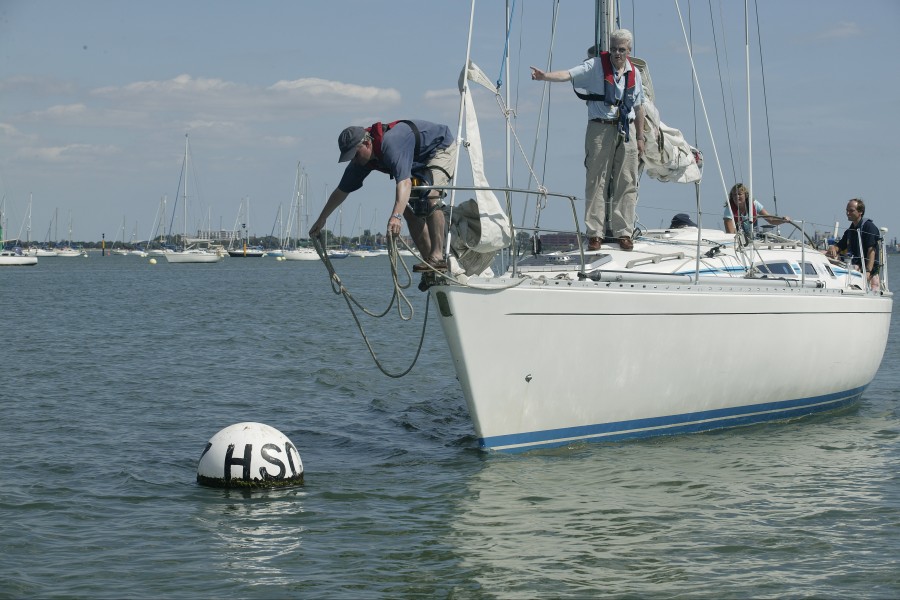
Ropework – handling warps, fenders, and the eight essential knots
-
Living aboard – watch-keeping, teamwork, and seamanship etiquette
The Solent – Your Training Ground
Each day you’ll sail to a new destination - from peaceful creeks and quiet anchorages to lively fishing harbours and marinas. Evenings are spent relaxing on board or ashore, enjoying the social side of sailing while reflecting on the day’s sailing.
By the end of the course you will be a confident and useful member of any yacht crew - the perfect introduction to the freedom of cruising, And you'll have an RYA Competent Crew certificate to show for it!
Course Details
-
Duration: 5 consecutive days, or weekends
-
Pre-course experience: None required
-
Knowledge assumed: None
-
Minimum age: 12 (recommended)
-
Teaching ratio: Maximum 5 students per instructor
-
Accommodation: On board the yacht
- Meals: All meals onboard are included and great quality too!
Not included:
-
Mooring fees (shared between students)
-
Optional Evening meal ashore (one night on a 5-day course)
-
Wet weather gear hire (£7.50/day)
-
Optional course books & logbooks (available to purchase)
- All other meals are included - and the food on board is great