RYA Yachtmaster Coastal Course
Coastal Skipper Exam Preparation Courses
PLEASE NOTE THAT WE ARE UPDATING AVAILABLITLITY AS QUICKLY AS WE CAN, HOWEVER DUE TO HIGH DEMAND, WE WOULD RECCOMMEND CALLING US ON 02380 457733 to CHECK AVAILABILITY PRIOR TO BOOKING ONLINE. THANK YOU
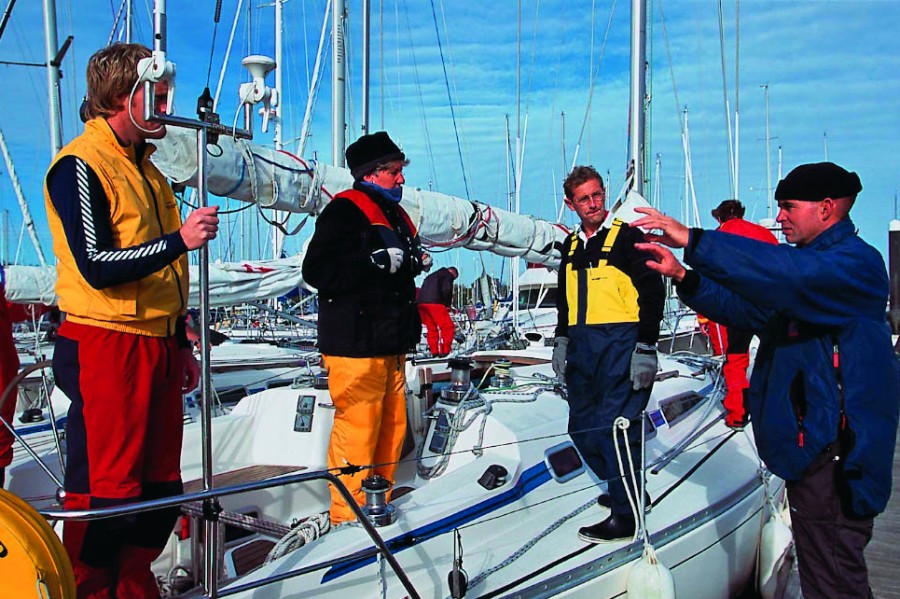
This course is suitable for those looking to gain an RYA/ MCA certification. It is the next logical step for those have completed the RYA Coastal Skipper practical course or have the equivalent amount of sailing experience. This Solent based course is run over 7 days. The first 5 days are spent on-board with an experienced Yachtmaster Instructor, where we run through various scenarios that are likely to come up during the examination. At the end of the 5 day course, and independent RYA examiner joins the yacht for the weekend to assess the candidates on-board.
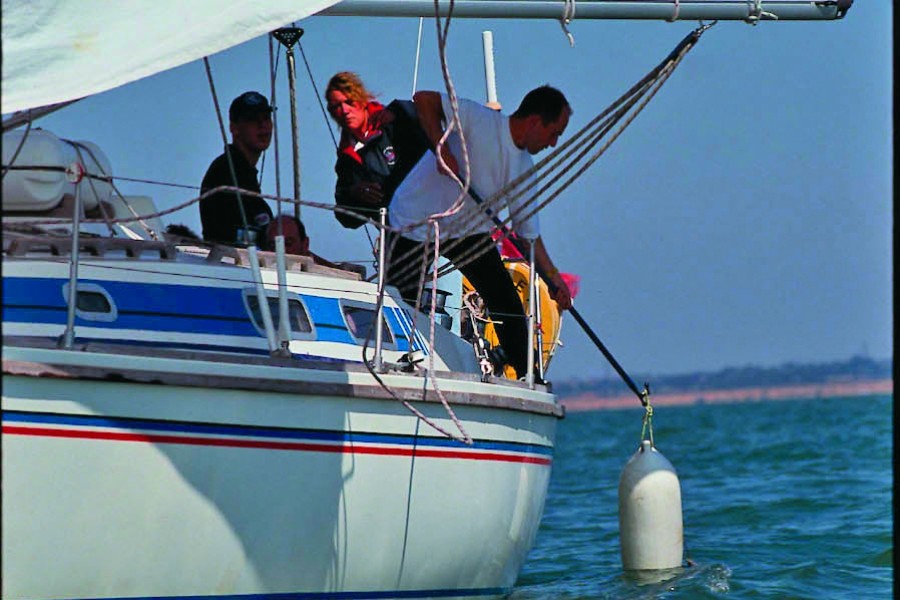
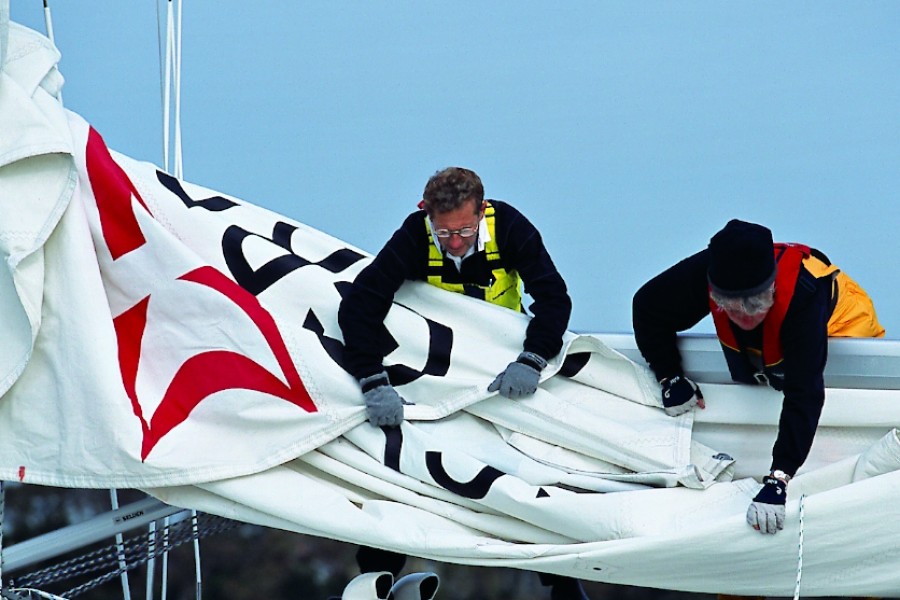
Although there is no RYA syllabus for this course, during the week we will cover man overboard drills, navigating in restricted visibility, engine failures as well as passage planning and sailing manoeuvres such as sailing on and off mooring buoys and pontoons. At this level we assume that you already have the required theory knowledge, mileage and 2 days as skipper. During the course there is ample opportunity to practice pilotage - with plenty of entries by both night and day, into the numerous ports, harbours and anchorages of the Solent. Each night is spent in a different port, ensuring you become familiar with the local sailing area and can feel confident during the examination.
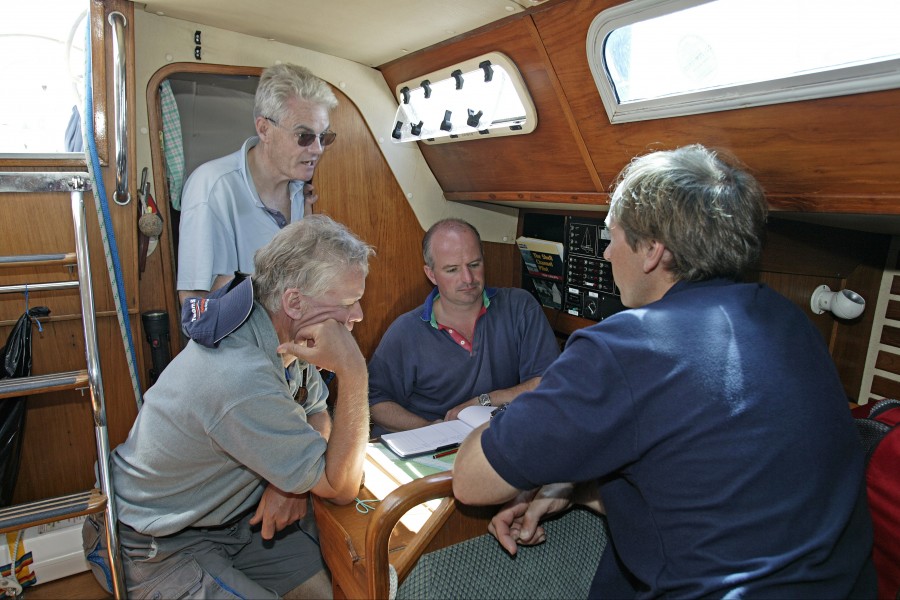
Throughout your course, you will receive regular debriefs and constructive feedback from the instructor. A fair and honest assessment of your ability early on in the course, will enable you to work on any identified weaknesses during the week.
At Yachtmaster level, there are 2 levels of certification - Yachtmaster Coastal and the higher level, Yachtmaster Offshore. Regardless of which level you are hoping to attain, candidates take the course and examination together on the same yacht. During the exam, Yachtmaster Coastal candidates with less practical experience and sea time - will not be expected to demonstrate such a high level of skill as a more experienced sailor at Offshore level.
On successfully passing the exam, you will receive the RYA/ MCA Yachtmaster Coastal Certificate of Competence.
Pre- exam requisites:
30 days, 2 days as skipper, 800 nautical miles and 12 night hours on board a cruising yacht. All qualifying sea time must have taken place within the last 10 years.
(if you hold the Coastal Skipper practical course completion certificate this is reduced to 20 days, 2 days as skipper, 400 miles, 12 night hours).
Half of the qualifying sea time must have been logged in tidal waters.
Assumed theoretical knowledge:
Coastal Skipper/ Yachtmaster shore based course completion certificate or the equivalent knowledge of someone who has attended the course.
Other certificates required by Yachtmaster exam candidates:
GMDSS SRC VHF marine radio certificate & an in date recognised First Aid certificate.
click here for a list of acceptable first aid certificates.
Minimum age: 17
Teaching ratio on board 4:1
Not included in the course fee: Although accommodation is provided onboard, the mooring fees are split between the students. Wet weather jackets & salopettes are available to hire for £7.50 per day. A selection of accompanying course books & logbooks are available to purchase.
The RYA exam fee is not included and is payable prior to the exam, via the RYA online payment scheme. The exam fee is currently £208.00.
Students should allow for one evening meal ashore on a five day course. All other catering including three evening meals are provided onboard.